
Explore an existing direction.
Start from a mature formula direction and evaluate whether its product experience suits your brand.
- Review the intended format and routine
- Evaluate the first sample
- Define the next changes together

RESEARCH & DEVELOPMENT
Formula, texture, fragrance and packaging — considered together.
Research that starts with your product brief.

FORMULATION WITH A PURPOSE
YOUREE’s biotechnology R&D center was established in 2013. Our company profile describes dedicated spaces for sensory evaluation, physicochemical analysis, temperature testing and retained samples.
For a brand, the starting point is a practical question: what should this product feel like, how will it be used, and what needs to be evaluated before moving forward?
Our development conversation connects formula direction with texture, fragrance, application and packaging, so your feedback can become a clear next step.
Prepare a product development briefFIND YOUR STARTING POINT
Bring a product idea, an existing formula direction or a sample reference. We can discuss which route fits the brief.
Start from a mature formula direction and evaluate whether its product experience suits your brand.
Use a clear feedback brief to discuss adjustments to texture, fragrance, appearance or application.
Work from the product objectives and define a formulation, sampling and evaluation route for the project.
LABORATORY & PRODUCT EVALUATION
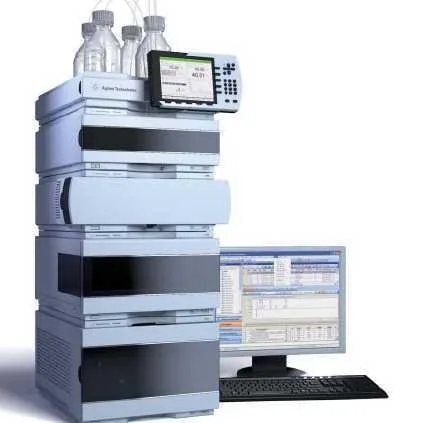
Our research materials describe a range of evaluation methods. The appropriate scope is defined around the formula, format and objectives of your project.


Review raw-material properties and the ingredient direction in relation to the product brief, supported by relevant analysis and material checks.
Connect the intended product format, application, texture and ingredient direction in a formulation plan for sampling.
Evaluate the feel, spreadability, fragrance and application experience, then turn sample feedback into specific development notes.
The company materials describe pH, viscosity, temperature, centrifuge and compatibility checks. The applicable evaluation plan depends on the formula and project stage.
Microbiological checks and challenge evaluation are included in the research overview. The relevant methods and requirements are discussed for the specific product.
Irritation and patch evaluation approaches appear in the company’s research materials. Testing scope is defined for the formula and intended product use.
The research presentation lists active-ingredient analysis and instrument-based hydration and elasticity evaluation. Any product claim needs support relevant to the finished formula and its evaluation.

FROM SAMPLE TO THE NEXT STEP
Keep the product brief visible throughout development. Each evaluation should help the team understand what to keep, what to change and what comes next.
Agree what a sample needs to show: a formula direction, a sensory preference, a packaging combination or a specific adjustment.
Review texture, fragrance, appearance and application separately, with clear notes against the agreed objectives.
Bring the confirmed formula, packaging choices and evaluation requirements into the manufacturing discussion.
RESEARCH CONNECTIONS
YOUREE’s November 2025 company presentation describes research cooperation across peptide institutes, ingredient innovation laboratories and university research teams.
The company profile describes cooperation with Shenzhen Winkey peptide research teams, including research and application work on peptide-based freeze-dried skincare.
A joint laboratory with the Sethic innovation laboratory is recorded in the company’s research materials, supporting exchange around ingredients and formulation ideas.
The research overview describes collaboration with Sun Yat-sen University, bringing academic perspectives into biological skincare research.
Research cooperation informs development thinking. Each product still needs its own formulation, evaluation and manufacturing plan.
BEFORE DEVELOPMENT BEGINS
A focused conversation is the first step toward a useful sample.
No. You can begin with a product idea, an existing direction or a sample reference. Tell us the intended format, target market, product experience and packaging preferences so we can discuss the next development step.
These are part of the sampling conversation. Describe the adjustment clearly and discuss it alongside the formula, application and packaging, so the team can evaluate the proposed change as part of the product.
The relevant evaluation scope depends on the formula, product format, intended use and project requirements. The methods shown on this page describe research capabilities, rather than a fixed test package for every sample.
The confirmed formula needs to connect with packaging approval, production instructions and inspection planning. The development and manufacturing teams should agree the information and approvals required for that handover.
Read the sample-to-production roadmap
YOUR NEXT PRODUCT STARTS HERE
Share your product goals and explore a practical formulation and sampling route with our team.